
A year of change leading to lasting transformation for 472,415 people
IMPACT2025
Ending poverty starts with a shared vision
Poverty is personal, so too are the solutions.
Poverty challenges the absolute core of both mind and body, constantly demanding more and more and offering nothing in return.
Yet when the vision of a better future, authored by the people directly experiencing poverty, becomes the shared vision for you, our partners and my HOPE colleagues, lives begin to change — permanently and positively. Families find ways to leave poverty behind forever.
Billions of people were touched by poverty in 2025 — they are the people working the hardest to leave it behind. When we share in their vision of a future free from poverty, we can walk together with them as they now fight against poverty in ways that weren’t possible before.
Moving forward, and as it has always been, it will continue to be people who end poverty.

Jon McKenzie
Executive Director
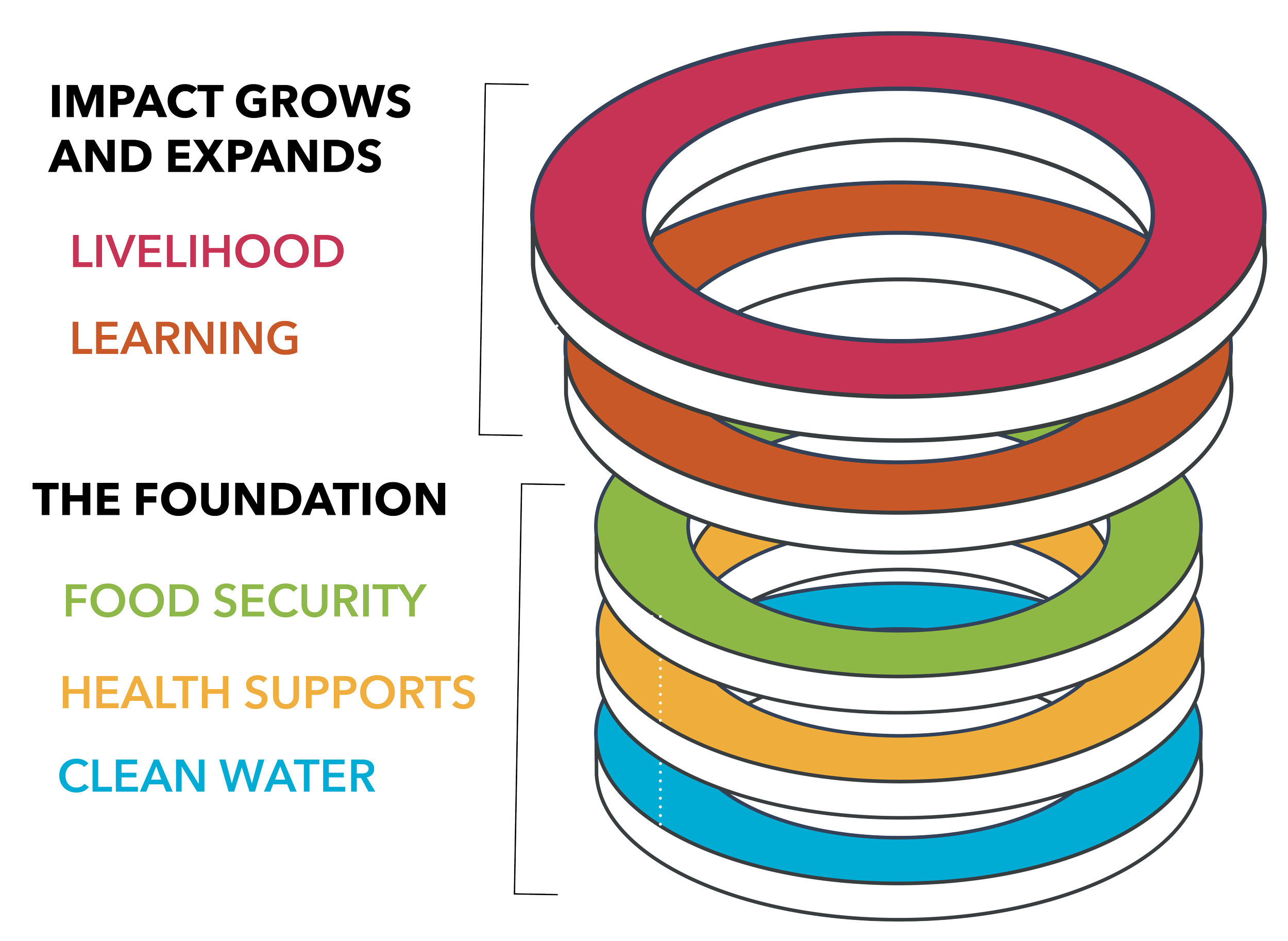
The long-term goal is supported by the immediate and lasting change water, health and food provide.
Families use learning and livelihood, and their own resources, to drive continuous and sustainable improvements in their lives.
Our people-centred, community-driven overseas projects and initiatives are designed to work holistically, meeting people where they are and supporting every stage of their journey out of poverty.
Everything working together for the good of people
Progress
EXECUTIVE SUMMARY
472,415
People transforming their lives through community-led projects
1,172 COMMUNITIES
73 INITIATIVES
16 COUNTRIES
Donor resources are used intentionally. We stay focused on measurable, thoughtful goals to ensure the work donors support delivers the greatest lasting impact for families and communities working to exit poverty.
IMPACTING LIVES
We’re all to connected to the big picture
Connection is at the heart of what we do — bringing generations together to strengthen families and communities by helping create lasting transformation now and for generations to come.
Working together
Donors from all walks of life and generations share a common vision with the people they are helping — freedom from poverty by replacing the cycle of poverty with a cycle of sustainable opportunity so everyone can thrive.
Breaking the cycle
When poverty is allowed to persist it becomes generational. Once it takes root across generations, it creates a cycle of suffering and limited opportunity that can only be broken through sustained intention and perseverance driven by families and their communities.
Supporting success for families and communities by working local, working smart and working generationally
WORK LOCAL
Our work is grounded in the belief that people, communities and partners closest to the problems poverty causes are best positioned to understand what’s needed and how to support transformation.
WORK SMART
We meet communities where they are — first supporting life and well-being, then building education, skills, and income opportunities for long-term growth, resilience and sustainability.
WORK GENERATIONALLY
Our work creates lasting, intergenerational change — breaking the cycle of poverty and replacing it with a sustainable cycle of opportunity where both adults and children can thrive.
IMPACT
Transformation Starts
Foundational initiatives like clean water, health supports, and food security create immediate impacts for families and start the transformation process.
CLEAN WATER
39,629
PEOPLE
39 COMMUNITIES
9 INITIATIVES
Clean water and sanitation are reliably available close to people’s homes
RESULT
TIME RECOVERED
HEALTH SUPPORTS
266,081
PEOPLE
476 COMMUNITIES
14 INITIATIVES
Good health is the norm and supported by local health resources
RESULT
TIME RECOVERED
FOOD SECURITY
55,244
PEOPLE
294 COMMUNITIES
21 INITIATIVES
Nutritious food, grown by families, is abundant, and affordable
RESULT
SELF SUFFICIENT
Initiatives like learning and livelihoods create permanent and continuous generational transformation.
Transformation Accelerates
LEARNING
10,423
PEOPLE
96 COMMUNITIES
159 INITIATIVES
Learning gives people the tools to build the lives they envision
RESULT
SELF ASSURED
LIVELIHOOD
55,842
PEOPLE
267 COMMUNITIES
14 INITIATIVES
People are in control of all aspects of their lives and progress is sustainable
RESULT
SELF RELIANT
Reliable access to clean water, local health supports, and food security lays the foundation for sustained transformation, enabling ongoing progress through learning and livelihood initiatives.
A world of difference donors made
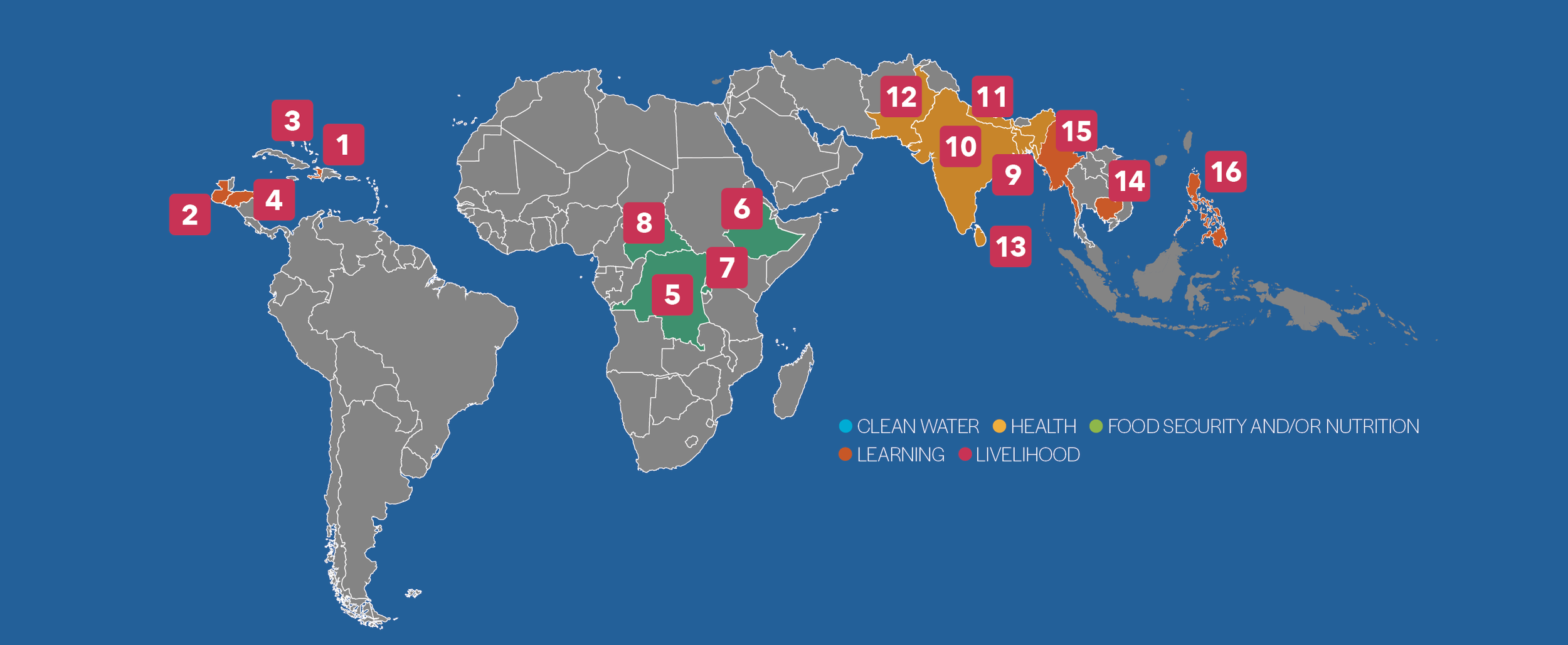
THE AMERICAS
DOMINICAN REP.
10 communities
1,898 people
2 projects
O O O
GUATEMALA
23 communities
15,188 people
4 projects
O O O
HAITI
12 communities
2,037 people
1 project
O O O
HONDURAS
121 communities
114,472 people
5 projects
O
AFRICA
DR CONGO
135 communities
75,211 people
5 projects
O O O O O
ETHIOPIA
13 communities
23,502 people
3 projects
O O O O O
RWANDA
1 community
357 people
1 project
O O
SOUTH SUDAN
1 community
6,786 people
1 project
O O O
ASIA
BANGLADESH
2 communities
76 people
1 project
O
INDIA
14 communities
7,855 people
2 projects
O O O O
NEPAL
10 communities
2,008 people
2 projects
O
PAKISTAN
377 communities
155,500 people
7 projects
O O O
SRI LANKA
13 communities
1,281 people
2 projects
O O O O
SE ASIA
CAMBODIA
2 communities
3,007 people
1 project
O O O O
MYANMAR
161 communities
51,250 people
3 projects
O O O O
PHILIPPINES
68 communities
11,987 people
4 projects
O O O
Careful stewardship of the resources you share with us ensures people and communities are equipped with the knowledge, resources and support needed to leave poverty behind.
Focusing your resources with intention
87%
PROGRAMS HELPING FAMILIES
13%
SUPPORTING OUR MISSION
RESOURCE POOL
FINANCIAL SUMMARY 2025
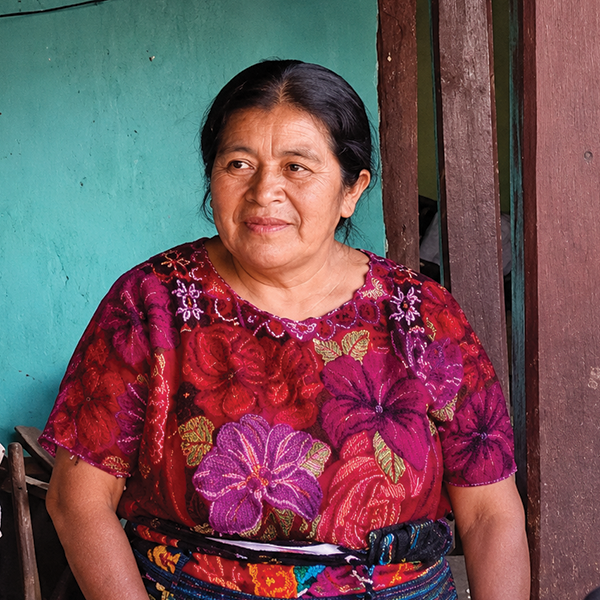
Doña Ana lifted her family out of poverty
For more than fifty years, Doña Ana has lived in the community of Tzanimacabaj, where she and her husband, Don Manuel, raised ten children surrounded by strong traditions of family, hard work, and solidarity. Today, twenty family members share their home.
Life shaped by poverty
Just a few years ago, the family faced severe challenges. They lived in overcrowded conditions without access to clean drinking water, forcing them to walk long distances each day to collect water for basic needs. Their only income came from weaving textiles and raising small animals, which was rarely enough to support the household.
Life is now shaped by possibility
Everything began to change when Doña Ana joined a community project. Through training and support, the family received vegetable gardens, farming tools, a composting latrine, and an improved stove. Doña Ana embraced every lesson and worked closely with her daughters-in-law and children to apply what they learned.
The results transformed their daily lives. Their gardens now provide fresh food, improve nutrition, reduce expenses, and generate extra income through the sale of surplus produce. Access to clean water has improved the family's health and eliminated exhausting daily trips. The improved stove uses less firewood, produces less smoke, and makes cooking easier and healthier.
Beyond her household, Doña Ana became part of a group of eighteen women entrepreneurs who grow tomatoes, chili peppers, and Gerbera daisies to sell locally. Together, they manage a shared fund and support one another through collective work and problem-solving.
Although the family still lives modestly, they now have greater stability, dignity, and hope for the future. Doña Ana dreams of expanding food production, continuing to learn, and seeing better roads and healthcare services in her community. Above all, she hopes her grandchildren will continue the path of perseverance and self-improvement.
For Doña Ana, change came slowly—seed by seed and lesson by lesson—until hope became part of everyday life.
39,629 people gain access to clean water
39 COMMUNITIES
9 INITIATIVES
CLEAN WATER
DOMINICAN REPUBLIC • GUATEMALA • ETHIOPIA • INDIA • SRI LANKA • CAMBODIA
IN BRIEF
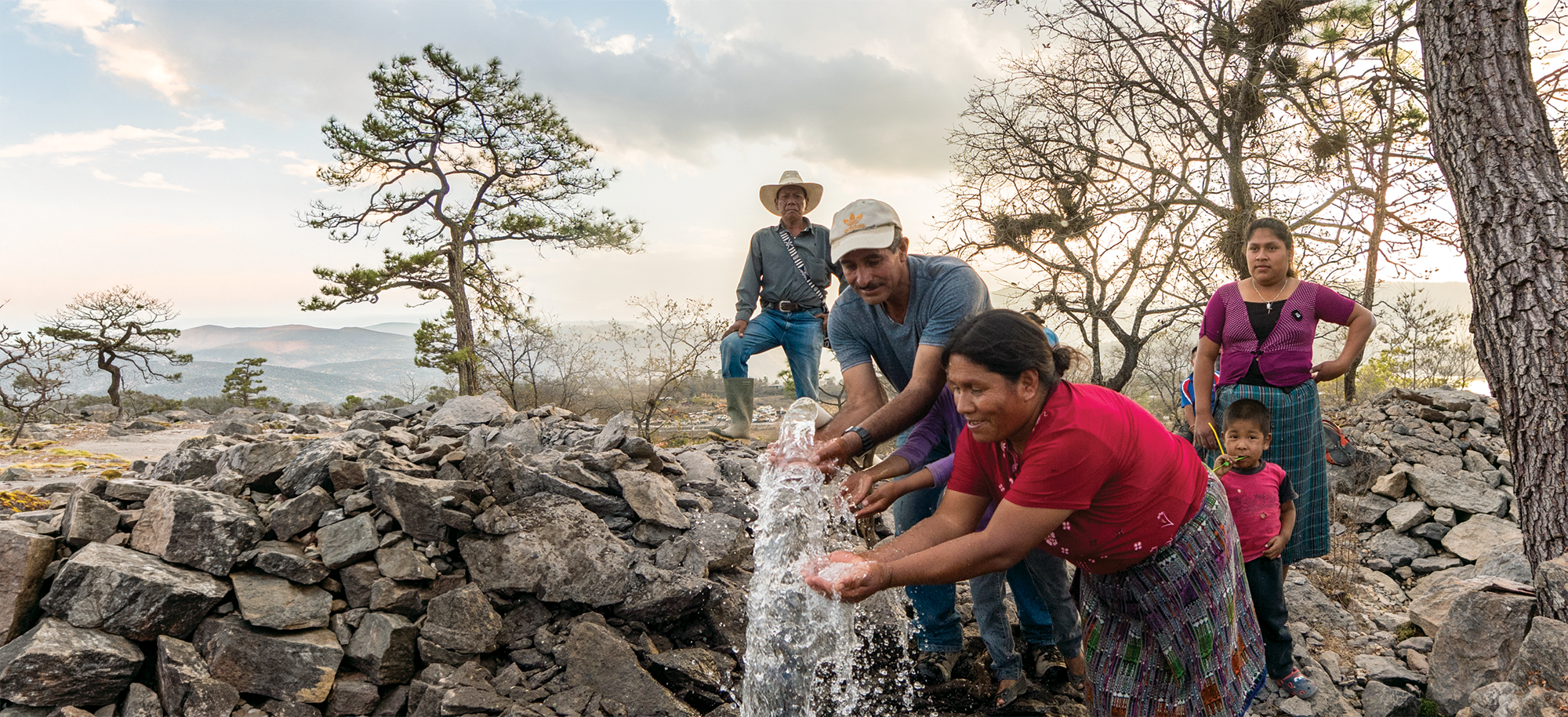
In the countries where we work, millions of people still lack access to safe drinking water. For many families, collecting water dominates daily life — women and girls walk an average of 6 kilometres, sometimes multiple times a day to collect water. The water they bring home is almost always contaminated, exposing households to deadly, but preventable diseases that account for 1.4 million deaths each year. As a result, breaking the cycle of poverty is very difficult.
HOPE’s clean water initiatives help change this reality by providing reliable access to safe drinking water within minutes of home, along with essential health and hygiene support. Access to clean water reduces the spread of disease and improves school attendance — especially for girls. When combined with hygiene education, clean water can reduce cases of diarrhoeal illness by up to 48%.
The impact extends well beyond health. Time recovered allows children more days in school, adults more opportunities to work, and families more time to focus on building the lives they envision.
3.5 MILLION HOURS
reclaimed, allowing children to be in school, adults to work, and families to live with greater stability.
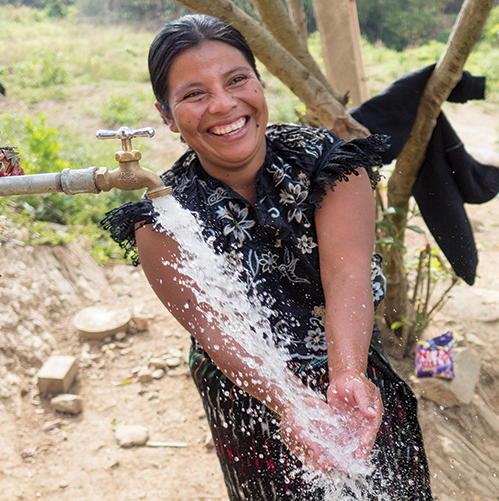
I remember when my mornings were consumed by the grueling task of fetching water. Instead of going to the fields, we spent hours just getting water. Even the kids on their way to school carried buckets.
Now, water flows from a tap in my yard. Everything has changed. The children bathe daily, the household runs smoothly, and illnesses like diarrhea and fever are rare. Our children are healthy now.
For me and other women in my community, the gift of water is freedom — freedom to work, care for the family, and start the day with energy instead of exhaustion.
I know my grandchildren will benefit from it too and generations beyond.
Clean water isn’t just a convenience — it’s life, health, and hope flowing right in my yard!
Eden - water is life

HEALTH SUPPORTS
266,081 people gain access to health supports
476 COMMUNITIES
14 INITIATIVES
HAITI • HONDURAS • RWANDA • SOUTH SUDAN • PAKISTAN • MYANMAR
IN BRIEF
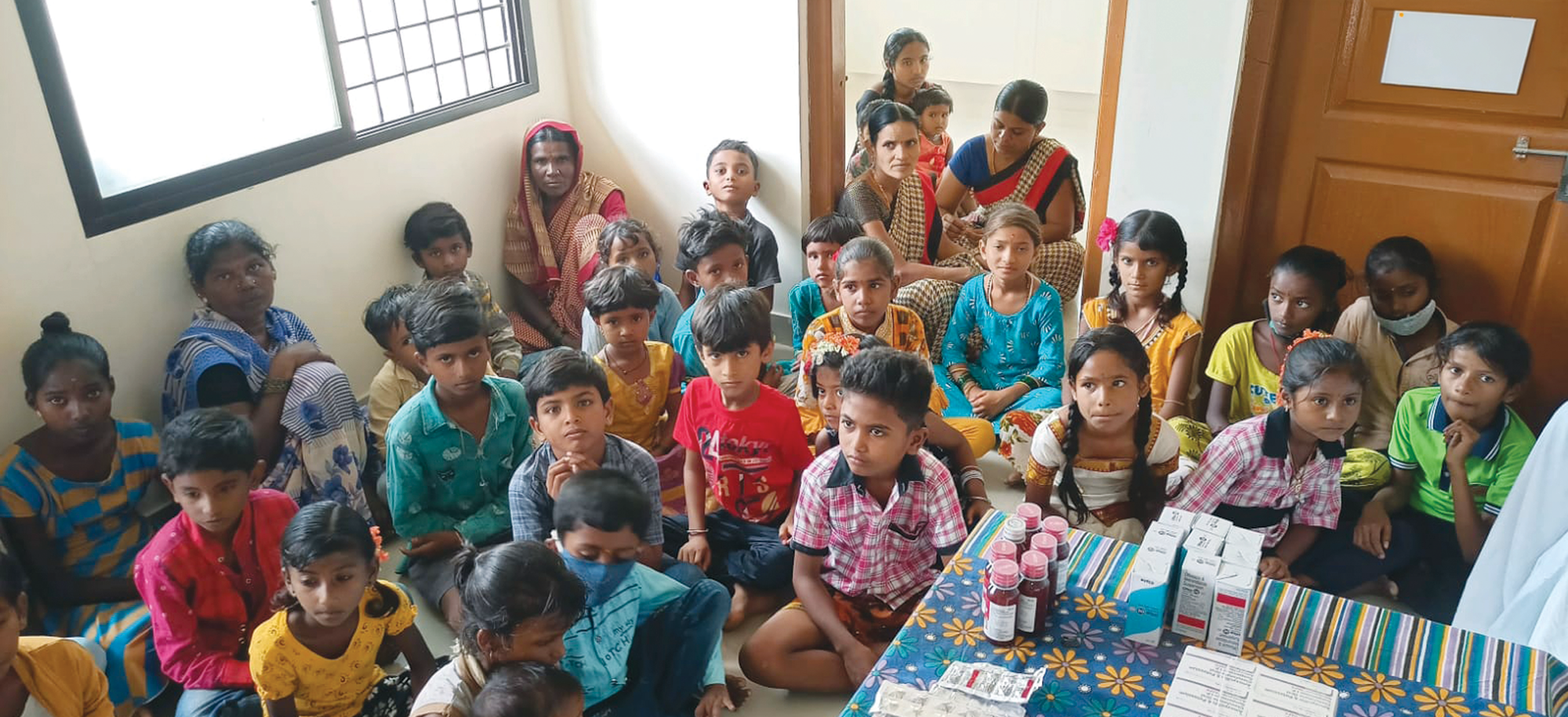
Half the world lacks essential healthcare. In rural Honduras for example, over 60% of families cannot afford medicine or doctor visits. And conflict in Myanmar and South Sudan has left affected families trapped in illness, malnutrition, and poverty.
HOPE’s health support initiatives are helping change this reality.
In Honduras, 8,758 women were screened for cervical cancer, often for the first time.
In the DRC, 10,000+ medical screenings reached remote communities. In Myanmar, 1,500 severely malnourished children received life-saving nutrition kits.
In South Sudan, 16 trained health workers now reach dozens of families each month in a region with fewer than 3 doctors per 100,000 people.
Through screenings, nutrition, and training, HOPE is enabling communities to deliver care and hope where it’s needed most.
200,000 DAYS
reclaimed and reinvested in livelihood and gaining reliable sources of income.
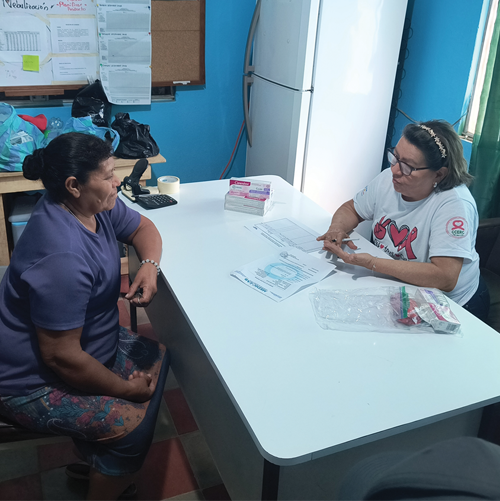
For Josefina, like this mother in Honduras, locally available medical advice and support is a lifesaver.
Josefina - saved by a simple test
The HOPE supported cancer screening campaign means a lot to me — I’m here because of it. Like many women in Honduras, I never imagined getting this test. Fear and the lack of financial resources held me back. But when the screening health brigade came to my community, everything changed.
For the first time, I was able to get tested. They discovered a lesion early — before it could turn into something far more serious. The doctors were patient, compassionate, and supportive. They guided me, explained everything clearly, and helped me access the treatment I needed.
Today, I feel a sense of relief, hope, and confidence I had never known. I’ve learned that taking care of my health is not just about me — it’s about my family, my future, and the life I want to live.

55,244 people gain food security
294 COMMUNITIES
21 INITIATIVES
FOOD SECURITY
GUATEMALA • HAITI • DR CONGO • ETHIOPIA • INDIA • NEPAL • PAKISTAN • SRI LANKA • CAMBODIA • MYANMAR • PHILIPPINES
IN BRIEF
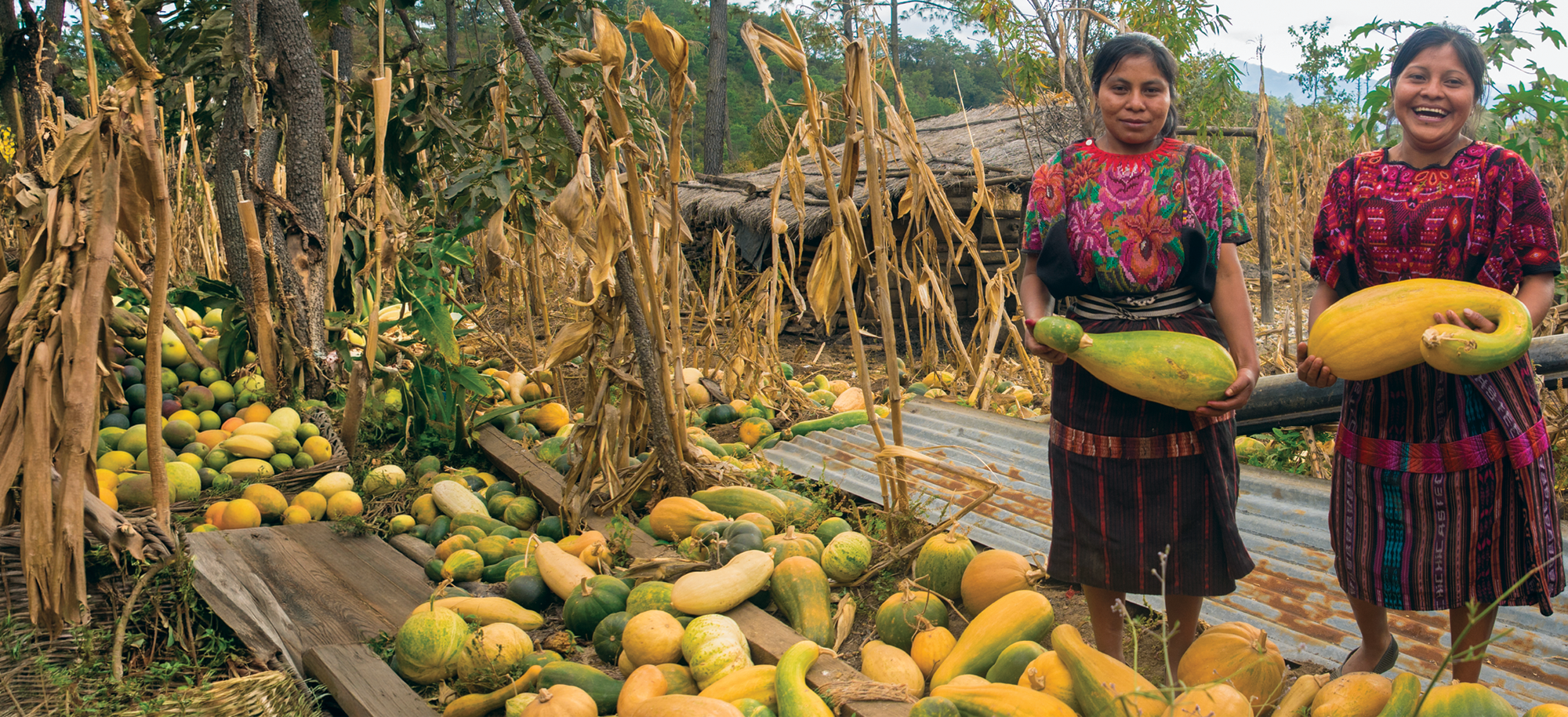
Hunger touches 733 million people worldwide — about one in eleven. HOPE is helping eradicate hunger and change this reality.
In Haiti, farmers using improved seeds and training now harvest 10% more than before, averaging 280 kilograms per hectare. In Myanmar, Ethiopia, Guatemala and the DRC, HOPE’s emergency food support reached over 5,000 households during acute crises, providing a lifeline while long-term, resilient solutions got started.
By distributing high-yield seeds, tools, and improving market access, families boost both production and household income. In Rwanda, school meals combat malnutrition while improving child health, cognition, and attendance — proving that food security and health go hand in hand.
From soil health to water access for irrigation, HOPE’s integrated approach extends growing seasons and increases yields, especially for smallholder farmers in drought-prone regions — turning hunger into hope.
30,867 KGS
of nutritious food were grown in backyard gardens and small family farms.
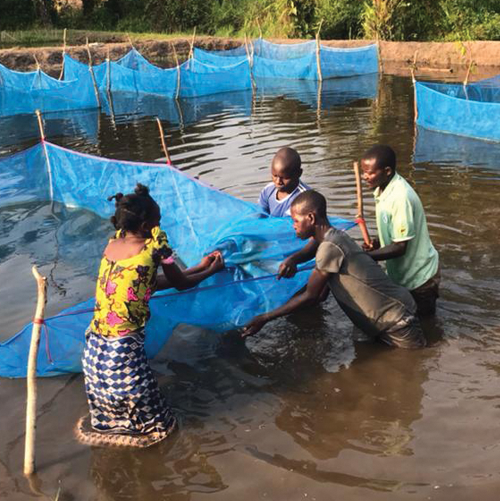
Some of Lita’s neighbours harvesting fish from their shared fishpond.
Lita’s fish farm grows hope!
For the past ten years, fish farming has been the heartbeat of our household of six children. Our fishponds provide much more than nutritious food we can count on all year— they provide hope and stability.
Fish farming has not just been an income source — it’s been a lifeline, a teacher, and a source of pride. Thanks to our fishponds I’m able to feed my family and pay for our children’s healthcare and schooling.
Our fishponds have enabled me to turn my hands and my heart into a legacy for my children, ensuring that they inherit more than just a home — they will inherit hope, opportunity, and the certainty that hard work can transform lives.

10,423 people gain access to education
96 COMMUNITIES
15 INITIATIVES
LEARNING
DR CONGO • ETHIOPIA • SOUTH SUDAN • INDIA • NEPAL • SRI LANKA • CAMBODIA • PHILIPPINES
IN BRIEF
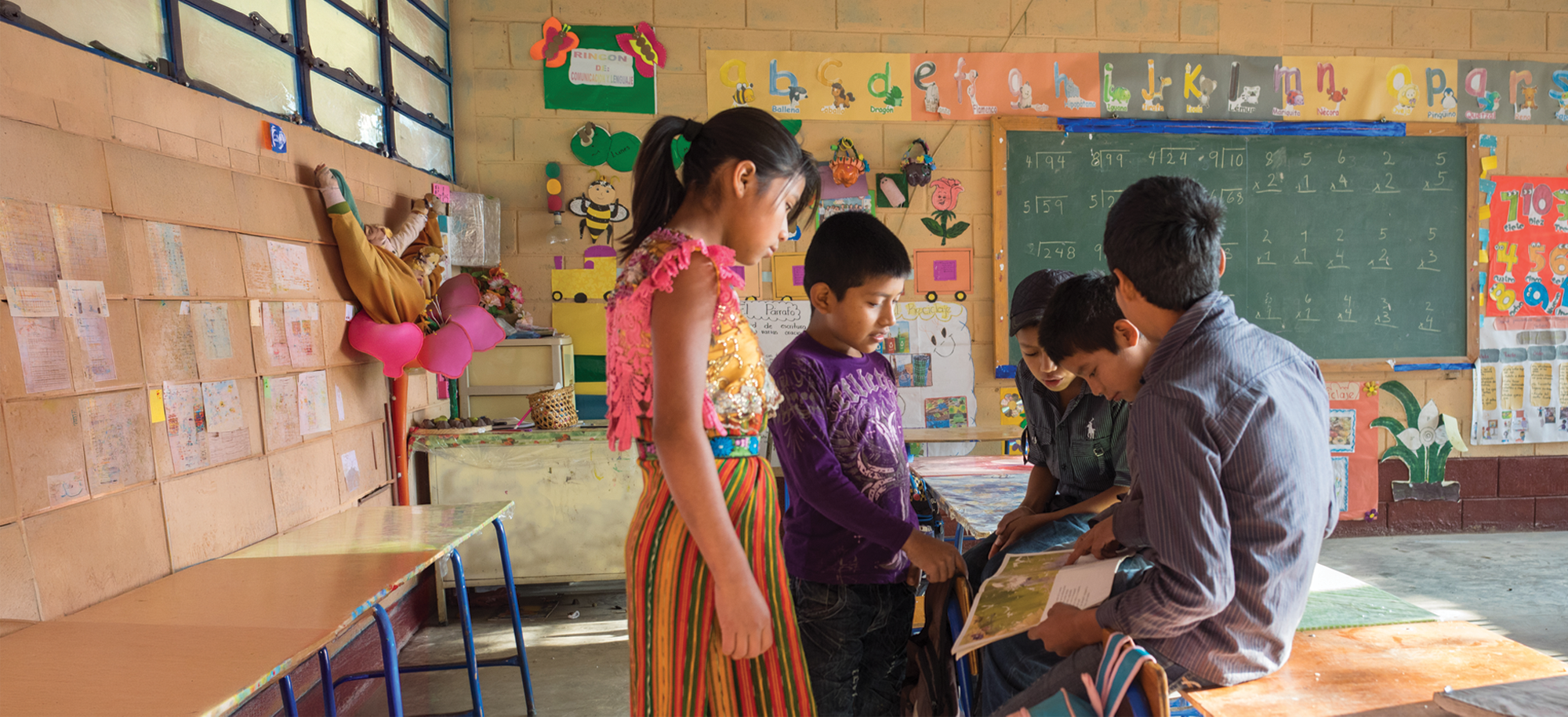
In conflict-affected countries like South Sudan, Myanmar, and the DR Congo, war and instability have destroyed schools, displaced teachers, and forced children into work instead of learning.
Worldwide, 244 million children and youth are out of school.
Even where schools exist, children from the poorest households face barriers like hunger, school fees, lack of materials and pressure to work.
Without quality education, entire generations are locked out of opportunity.
HOPE is helping change this. School meals, teacher training, literacy work and classroom support are giving children opportunities to learn.
In Rwanda alone, 30,800 meals helped boost attendance to 98%, far above the usual 70%.
9,379 STUDENTS
will benefit from up to a 15% increased income as adults because of education.
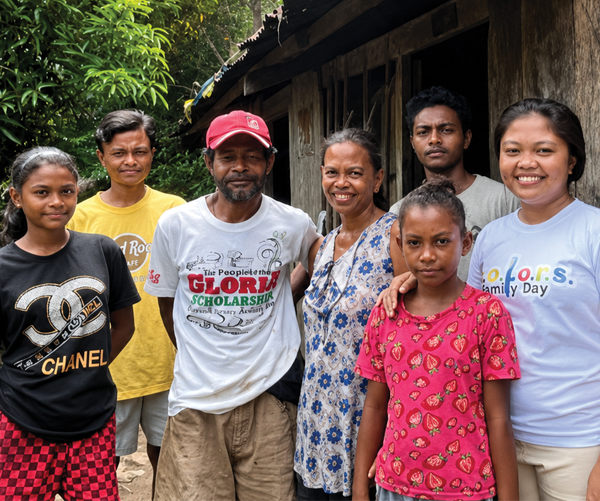
Donnacel will be the first professional of her family in a generation.
Donnacel - the first of many
I am one of 15 Agta-Tabangnon Indigenous youth from the Bicol Region successfully advancing to our final year in college. Like my friends, I am pursuing a degree in a field that responds to the needs of my Indigenous community, like education, agriculture, and environmental sustainability.
Because of the support I have received, I am on track to become the first professional in our Indigenous community – a first for my family and the people around me. My community says that my journey stands as a symbol of hope, not just for myself, but for a whole generation of Iraya youth who now see education as a real and important pathway to a better future.

55,842 people gain access to livelihoods
267 COMMUNITIES
14 INITIATIVES
LIVELIHOODS
GUATEMALA • HAITI • DR CONGO • ETHIOPIA • RWANDA • SOUTH SUDAN • BANGLADESH • INDIA • NEPAL • PAKISTAN • SRI LANKA • CAMBODIA • MYANMAR • PHILIPPINES
IN BRIEF
Close to 1.4 billion people are trying to survive on less than $2.15 a day, struggling to meet their most basic needs. For women, the barriers are even steeper. In rural corners of countries where we work, women often cannot open a bank account, own property, or access credit. Systemic inequalities trap them in cycles of dependence, leaving them vulnerable to exploitation, food insecurity, and the heartbreak of watching their potential and their children’s potential go unrealized.
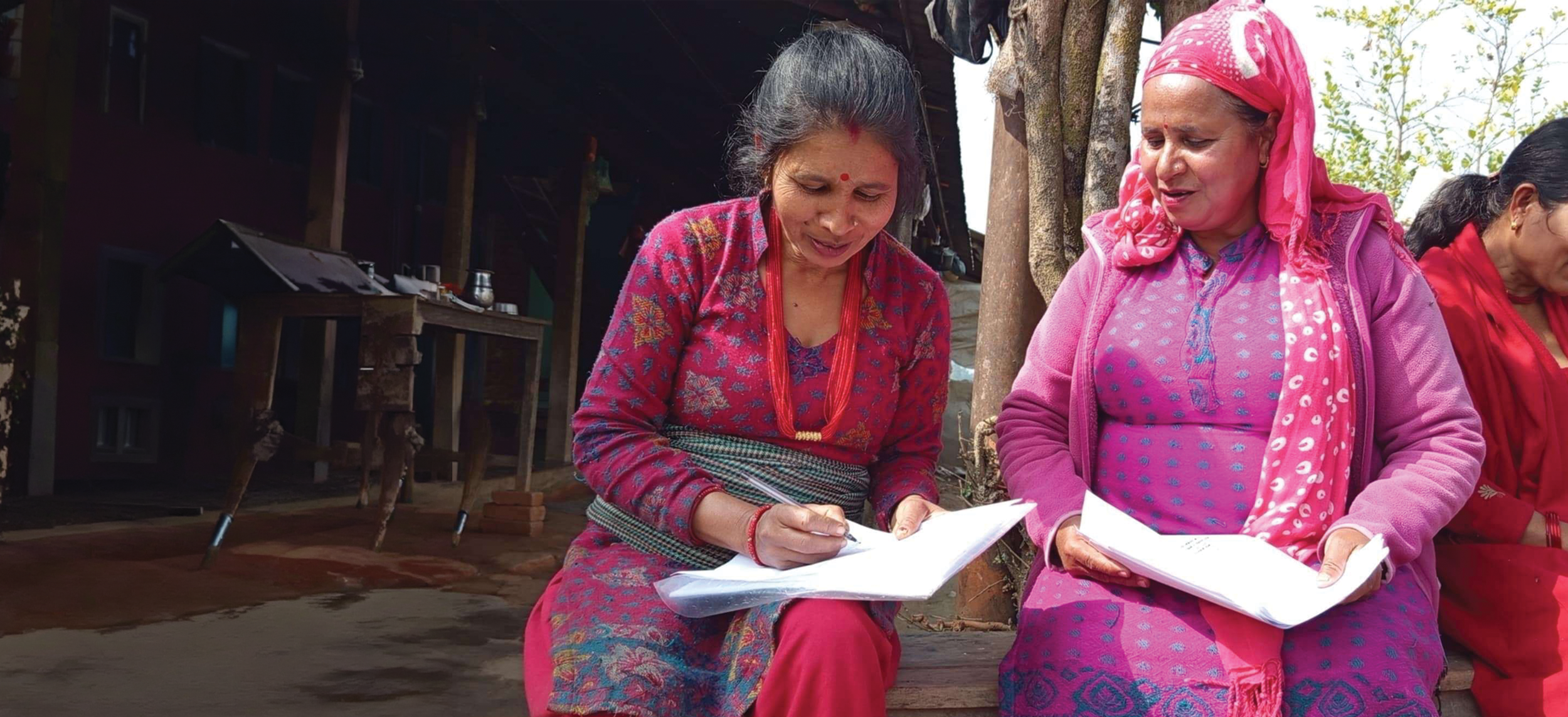
Yet change is possible. HOPE’s livelihood programs spark change for thousands of women who join self-help and livelihoods groups. These groups provide more than just money — they offer knowledge, financial literacy, networks, and empowerment, and create peer support systems that lift women from isolation into full economic participation in their communities.
In India for example, the impact is tangible. More than 1,650 women across 275 Self Help Groups are breaking free from informal moneylenders charging crippling interest rates exceeding 30% per year. With safe, peer-governed loans, these women are not only increasing their incomes — they are protecting their families from the debt traps that have kept generations in poverty.
20,000 FAMILY MEMBERS
benefit from the reliable and sustainable income women are generating.
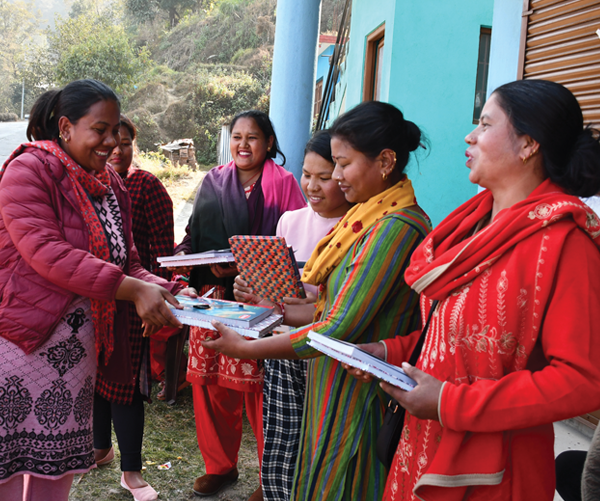
Women, like Sangita, are transforming their lives, families and communities through Self Help Groups..
Sangita finds success
Life used to be a constant struggle; we worked as tenant farmers and took low-paying jobs just to survive, with no savings, property or hope for a better life.
Everything changed when I joined a Self Help Group. The training gave me knowledge, skills, and confidence. With a $200 loan, I bought 2 chickens, 1 goat, and a small buffalo and started raising them using proper care techniques. I also began small-scale vegetable and grain farming.
Today, my farm has grown to 2 buffaloes, 8 goats, 22 chickens, and thriving crops. Selling milk and produce earns at least $250 per month, covering household expenses, education, medical costs, and loan repayment. I am so proud that I now run a thriving farm and provide stability for my family.